
Infrastructure Fabric
Workstations
Unified remote workstation operations for distributed teams.
Standardize workstation images, policies, and performance profiles so global teams can ship work faster without local hardware bottlenecks.
From global capacity planning to bare-metal performance and edge delivery, we build the foundational infrastructure that high-stakes workloads depend on. The goal is straightforward: predictable performance under peak load, far fewer incidents, and infrastructure your team can reason about and trust.
What you can expect- Predictable performance under peak load windows
- Reduction in manual operations and incident noise
- Standardized deployment patterns across regions
- Governance and compliance controls baked into delivery
Why This Matters
From challenge to controlled delivery
The Challenge
Most teams outgrow ad-hoc infrastructure the moment latency, reliability, and cost controls start colliding. What worked for one region or a single workload quietly turns into pager noise, surprise bills, and capacity that never quite matches demand.
Our Approach
We design hardened infrastructure blueprints with deterministic performance, deep observability, and failover built in from day one. Every layer — compute, storage, and network — is sized against real telemetry and shipped with the runbooks and guardrails your team needs to operate it with confidence.
Capabilities
What this engagement covers
Capacity Engineering
We right-size compute, storage, and network layers against real workload telemetry, with growth headroom and cost guardrails built in. Capacity is modelled ahead of demand, so peak windows never turn into incidents.
Reliability Patterns
Zone and region failover, health-aware routing, and chaos-tested recovery paths are engineered into the architecture from day one. Every dependency has a defined failure mode and a tested way back.
Operational Visibility
We ship structured logs, metrics, and distributed traces into dashboards that map directly to SLOs and clear ownership. Teams see degradation early and know exactly who responds.
Capacity Engineering
Phase 01
Reliability Patterns
Phase 02
Operational Visibility
Phase 03
Observability
Phase 04
In Focus
Capabilities in context
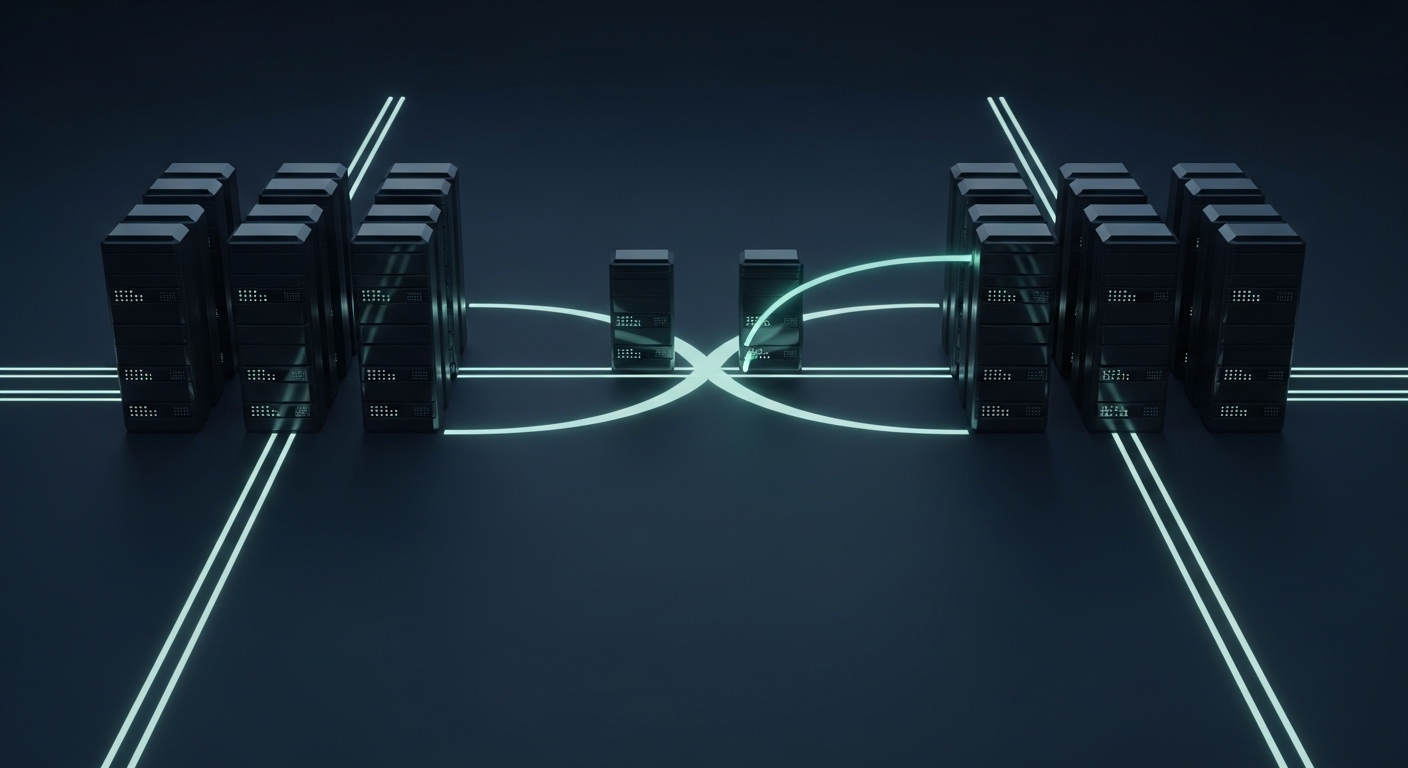
Here is what each capability actually means in delivery — the concrete work we do, the patterns we apply, and the outcome you can expect on the ground.

Delivery
Implementation path & expected outcomes
Implementation Path
- Discovery and current-state workload audit
- Reference architecture and migration plan
- Phased rollout with rollback protection
- Hardening, monitoring, and runbook handoff
Expected Outcomes
- Predictable performance under peak load windows
- Reduction in manual operations and incident noise
- Standardized deployment patterns across regions
- Governance and compliance controls baked into delivery
Technology
Typical stack for this service
Linux
Kubernetes
Docker
Terraform
Prometheus
Grafana
Nginx
PostgreSQL
Final tooling is selected during discovery to match your existing estate, compliance posture, and team skills.

Why Orospor
Built to run in production
We don't hand over slideware. Every Workstations engagement ships as working, observable, owned systems — engineered to hold up under real load.
- Production-grade delivery with rollback-safe checkpoints at every phase
- Observability, runbooks, and ownership built in — not bolted on later
- Security and compliance posture considered from the first design review
- Cost, risk, and reliability tracked against KPIs you can actually see
FAQ
Common questions
How does a Workstations engagement start?
Every engagement begins with a scoped assessment — we audit your current state, map constraints, and deliver a written plan with rollback-safe phases before any change is made.
How quickly will we see results?
Most teams see measurable progress within the first delivery phase. Cost, risk, and reliability are tracked against visible KPIs from day one, so impact is clear rather than anecdotal.
Will this disrupt our running systems?
No. We treat every environment as production. Changes ship in phased waves with health checks and rollback checkpoints — there are no big-bang cutovers.
Who owns the work after handoff?
Your team does. We hand over runbooks, ownership maps, and escalation paths so you can operate confidently, with no vendor lock-in.
Keep Exploring
More in Infrastructure
Start with a scoped assessment
We begin every Workstations engagement with a short discovery phase — clear findings, clear plan, no obligation.